Download Digital Image Processing Algorithms and Applications - Ioannis Pitas | ePub
Related searches:
Algorithm will identify retouched images and rate their closeness to reality - ExtremeTech
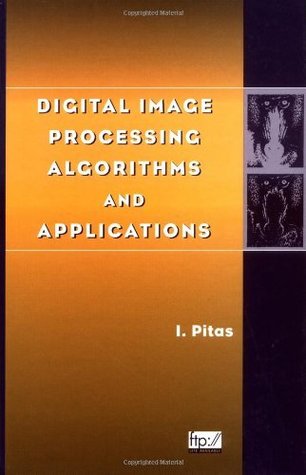
Digital Image Processing Algorithms and Applications
Digital Image Processing Algorithms and Applications: Pitas
Digital Image Processing Algorithms and Applications Wiley
[PDF] Digital Image Processing Algorithms and Applications
Digital Image Processing - Concepts, Algorithms, and
Buy Digital Image Processing Algorithms and Applications Book
Digital Image Processing Algorithms And Applications
Digital Image Processing Algorithms and Applications by Ioannis
Digital Image Processing: Concepts, Algorithms, and
Image Processing in Python: Algorithms, Tools, and Methods
Digital image processing algorithms implemented with C++ and
Digital Holography and Digital Image Processing: Principles
Image Processing: Algorithms and Systems XVIII
Algorithms for Image Processing and Computer - Manal Helal Site
Download Digital Image Processing Algorithms And Applications
An algorithm is like a recipe, with a discrete beginning and end and a prescribed sequence of steps leading unambiguously to some desired result. But coming up with the right answer at the end of a program is only the minimum requirement.
Digital image processing is the definitive textbook for students, researchers, and professionals in search of critical analysis and modern implementations of the most important algorithms in the field, and is also eminently suitable for self-study.
Jun 12, 2019 - read ioannis pitas's book digital image processing algorithms and applications.
Digital image processing algorithms and applications fills the gap in the field, providing scientists and engineers with a complete library of algorithms for digital image processing, coding, and analysis. Digital image transform algorithms, edge detection algorithms, and image segmentation algorithms are carefully gleaned from the literature.
Digital image processing is the use of computer algorithms to create, process, communicate, and display digital images. Digital image processing algorithms can be used to: convert signals from an image sensor into digital images improve clarity, and remove noise and other artifacts.
Morphological image processing tries to remove the imperfections from the binary images because binary regions produced by simple thresholding can be distorted by noise. It also helps in smoothing the image using opening and closing operations.
Digital image processing algorithms and their application to the real problems.
A unique collection of algorithms and lab experiments for practitioners and researchers of digital image processing technology.
Is that old dust-covered box of photos in the closet haunting you? here's how to convert them into digital format. Time for more discounts! shop all the best cyber monday deals now we may earn a commission for purchases using our links.
6 feb 2018 image processing means processing digital image by means of a digital computer.
Digital image processing algorithms and applications fills the gap in the field, providing scientists and engineers with a complete library of algorithms for digital image processing, coding, and analysis. Digital image transform algorithms, edge detection algorithms, and image segmentation algorithms are carefully gleaned from the literature for compatibility and a track record of acceptance in the scientific community.
Digital processing of the photograph allows for the reduction in noise and signal distortions on digital images, and the algorithms can process two-dimensional, three-dimensional and four-dimensional images into formats that can be easily stored and manipulated.
Dip focuses on developing a computer system that is able to perform processing on an image. The input of that system is a digital image and the system process that image using efficient algorithms, and gives an image as an output. It is one of the widely used application for processing digital images.
In seven chapters, the author covers digital image processing fundamentals transform algorithms image filtering image compression edge detection segmentation shape description in the preface, the author claims that most of the digital image processing and computer vision books concentrate on the theory and the applications of digital image.
Digital image processing means processing digital image by means of a digital computer. We can also say that it is a use of computer algorithms, in order to get enhanced image either to extract some useful information.
Books digital image processing algorithms and applications as well as it is not directly done, you could believe even more all but this life, in this area the world.
From the publisher: digital data acquired by scanners, radar systems, and digital cameras are typically computer processed to produce images through digital image processing. Through various techniques employing image processing algorithms, digital images can be enhanced for viewing and human interpretation.
Algorithms for image processing and computer vision, second edition. Published images consist of pixels, and in a typical image from a digital camera there.
If you've got a drawer full of photographs you'd love to preserve digitally but don't feel like going through the work of scanning every one yourself, send them to web site scancafe for cheap and professional scanning.
In: 6th international workshop on digital mammography, pp 276–280.
An image is also a two-dimensional array specifically arranged in rows and columns. Digital image is composed of picture elements, image elements, and pixels. A pixel is most widely used to denote the elements of a digital image. A digital grayscale image is presented in the computer by pixels matrix.
The digital sensor in your phone or camera is made from millions of small photosites.
So, opencv is used here just only for opening and manipulating an image as a mat object (opencv’s basic image container).
Like it is said, “one picture is worth more than ten thousand words “a digital image is composed of thousands and thousands of pixels. An image could also be defined as a two-dimensional function, f (x, y), where x and y are spatial (plane) coordinates and therefore the amplitude of f at any pair of coordinates (x, y) is named the intensity or grey level of the image at that time.
Unfortunately, many image processing algorithms treat all images the same way, and, thus, do a poorer job on lower dose images. Algorithms that measure local image snr can do a better job of adjusting the extent of processing so as to avoid degradation in subjective image quality.
Avoiding heavy mathematics and lengthy programming details, digital image processing: an algorithmic approach with matlab® presents an easy methodology for learning the fundamentals of image processing. The book applies the algorithms using matlab®, without bogging down students with syntactical and debugging issues. One chapter can typically be completed per week, with each chapter divided.
Whether you’re new to photography or a professional, digital cameras are packed with features to hone your techniques, enhance your shots and make photography a truly fun experience.
Chapter 2 summarises state of the art techniques for morphological process, and chapter 3 illustrates the established segmentation approach.
13 may 2020 digital image processing involves much more sophisticated and useful computer algorithms.
Digital image processing is a fascinating subject in several aspects. Human beings perceive most of the information about their environment through their visual sense. While for a long time images could only be captured by photography, we are now at the edge of another technological revolution which allows image data to be captured, manipulated.
Digital mammography systems, unlike screen-film mammography systems, allow manipulation of fine differences in image contrast by means of image processing algorithms. As a result, very subtle differences between abnormal and normal but dense tissue can be made more obvious.
This paper describes how to validate image processing algorithms when the algorithm has been designed to produce a numerical output that optimizes a given.
Digital image transform algorithms, edge detection algorithms, and image segmentation.
Post Your Comments: