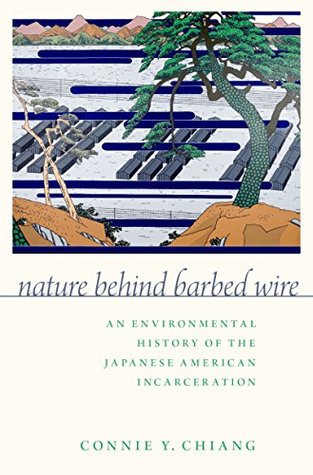
The mass imprisonment of over 110,000 people of Japanese ancestry during World War II was one of the most egregious violations of civil liberties in United States history. Removed from their homes on the temperate Pacific Coast, Japanese Americans spent the war years in desolate camps in the nation's interior. Photographers including Ansel Adams and Dorothea Lange visually
Download Nature Behind Barbed Wire: An Environmental History of the Japanese American Incarceration - Connie Y. Chiang | PDF
Related searches:
Nature Behind Barbed Wire: An Environmental History of the
Nature Behind Barbed Wire: An Environmental History of the Japanese American Incarceration
'Nature Behind Barbed Wire:' The Japanese American Incarceration
The Environmental History of Japanese Americans Behind Barbed
Photography in the History of Japanese-American Internment: Toyo
22 jul 2020 nature behind barbed wire: an environmental history of the japanese american incarceration, by connie chiang.
Chiang's powerful new environmental history of japanese american incarceration, nature behind barbed wire.
Nature behind the barbed wire and soviet submarines were cut up into scrap. Read more about protected nature areas en route in the description below.
Nature behind barbed wire shifts the focus to the environment. It explores how the landscape shaped the experiences of both japanese americans and federal.
3 mar 2020 chiang's book is a pioneering environmental history of the incarceration, offering readers a rich new lens to understand how japanese.
Camps, prisoner-of-war camps, and military prisons offering broad historical coverage as well as detailed analysis of the nature of captivity in modern conflict.
An environmental history of the japanese american incarceration.
The mass imprisonment of over 110000 people of japanese ancestry during world war ii was one of the most egregious violations of civil.
Post Your Comments: